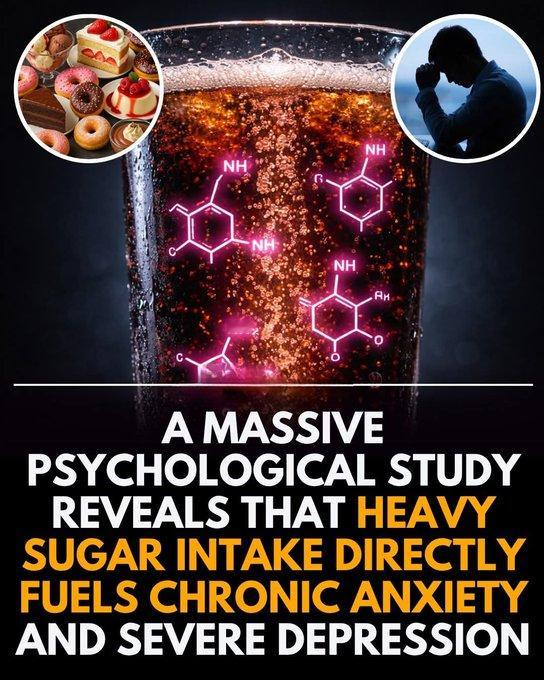
最近的临床研究揭示了高饮食糖摄入与令人虚弱的情绪障碍发作之间存在深刻的生物学联系。科学家们正在发现,我们饮用的东西对我们的整体心理稳定性有直接且即时的影响。
在一项涉及近400名成年人的综合研究中,研究人员发现,饮用高糖饮料会引发系统性炎症,从根本上破坏大脑合成必需神经递质的能力。这种化学干扰严重限制了血清素和多巴胺的产生,使个体极易遭受长期的情感困扰。
此外,大量蔗糖会积极破坏消化道内的有益微生物群,切断被称为肠脑轴的关键沟通途径。当这种内部微生物群失衡时,中枢神经系统在高压力时期会丧失其自然的自我调节能力。
这会形成一个危险的循环,在焦虑的个体中自然产生对甜食的渴望,以寻求暂时的安慰,却无意中加剧了他们的长期精神症状。糖提供的短暂多巴胺激增很快就会被严重的神经化学崩溃所取代,这会加深疲惫和忧虑的感觉。
将营养选择视为心理健康护理的基础支柱,提供了一种积极管理认知福祉的方法。显著减少液体糖的摄入量是一种高效的、非药物策略,可以增强您的情感韧性,以应对现代生活的需求。
来源:Health Science Reports
Recent clinical research has uncovered a profound biological connection between high dietary sugar consumption and the onset of debilitating mood disorders. Scientists are discovering that what we drink has a direct and immediate impact on our overall psychological stability.
In a comprehensive study involving nearly 400 adults, researchers found that consuming heavily sweetened beverages triggers systemic inflammation that fundamentally disrupts the brain's ability to synthesize essential neurotransmitters. This chemical interference severely limits the production of serotonin and dopamine, leaving individuals highly vulnerable to prolonged emotional distress.
Furthermore, high volumes of sucrose actively destroy beneficial microflora within the digestive tract, severing a crucial communication pathway known as the gut-brain axis. When this internal microbiome is compromised, the central nervous system loses its natural ability to self-regulate during times of high stress.
This creates a dangerous cycle where individuals experiencing anxiety naturally crave sweet foods for temporary comfort, inadvertently worsening their long-term psychiatric symptoms. The brief dopamine spike provided by the sugar is quickly followed by a severe neurochemical crash that deepens feelings of lethargy and worry.
Treating nutritional choices as a foundational pillar of mental healthcare offers a proactive approach to managing cognitive well-being. Significantly reducing your intake of liquid sugars is a highly effective, non-pharmaceutical strategy to fortify your emotional resilience against the demands of modern life.
Source: Health Science Reports